Be found in Google, AI search, and
everywhere your customers are looking.
Woman In Tech helps small businesses connect their website, SEO, GEO, Google Business Profile, social media, and automations into one visibility system that actually brings in business.
Over 20 years building websites, SEO strategies, and digital systems that work, without the jargon, mystery dashboards, or "just trust us" nonsense.
Backed by results across these industries
Your marketing shouldn't
work in silos.
A pretty website will not help much if nobody finds it. SEO will not save you if your messaging is confusing. Social posts will not convert if your website does not build trust. And AI search will not cite your business if your content is thin, vague, or hard to understand. That is why we build visibility as a system.
 Before
 Five vendors. Zero strategy.
- ✕ SEO agency optimizes for Google, ignores ChatGPT entirely
- ✕ Website built without schema, invisible to AI search engines
- ✕ Social posts contradict the brand voice on the website
- ✕ No automation, leads fall through the cracks
- ✕ Reporting in five dashboards. Or none at all.
 After
After One operator. One system.
- ✓ Found in Google, ChatGPT, Perplexity, and AI Overviews
- ✓ Answer-engine schema baked into every page
- ✓ Voice, visuals, offer, consistent across every channel
- ✓ n8n automations capture and qualify leads 24/7
- ✓ One dashboard. One source of truth. Total clarity.
One connected system for getting
found, trusted, and chosen.
Most businesses do not have a visibility problem because they are bad at what they do. They have a visibility problem because their website, SEO, Google Business Profile, social content, and follow-up systems are disconnected. Woman In Tech fixes that.
Website Design
Websites that look good, load fast, explain what you do, and help people take action.
Website design for small businessesGEO / AI Search
Content and structure built to help your business show up in ChatGPT, Perplexity, Google AI Overviews, and other answer engines.
GEO and AI search optimizationGoogle Business Profile
Local visibility support so nearby customers can find, trust, and contact you.
Google Business Profile optimizationSocial Media
Content that builds credibility and keeps your business visible between searches.
Social media managementAI + Automations
Practical workflows that save time, follow up faster, and keep leads from falling through the cracks.
AI automations for business
Three phases.
One operating system.
Each phase compounds on the last. Visibility builds trust. Trust drives growth. Every dollar you spend gets stronger over time.
Be Found.
Get visible in Google, AI search, maps, and the platforms where your customers are already looking. SEO, GEO, Google Business Profile, local visibility, and schema-rich content.
Build Trust.
Turn visibility into credibility with a website and content that clearly explain who you help, what you do, and why someone should choose you. Website strategy, design, service-page copy, social proof, and social content.
Fuel Growth.
Use automation, AI workflows, email, and smart follow-up systems to turn attention into actual opportunities. Lead follow-up, email marketing, CRM workflows, AI tools, and go-to-market support.
One system.
Every screen your customers see.
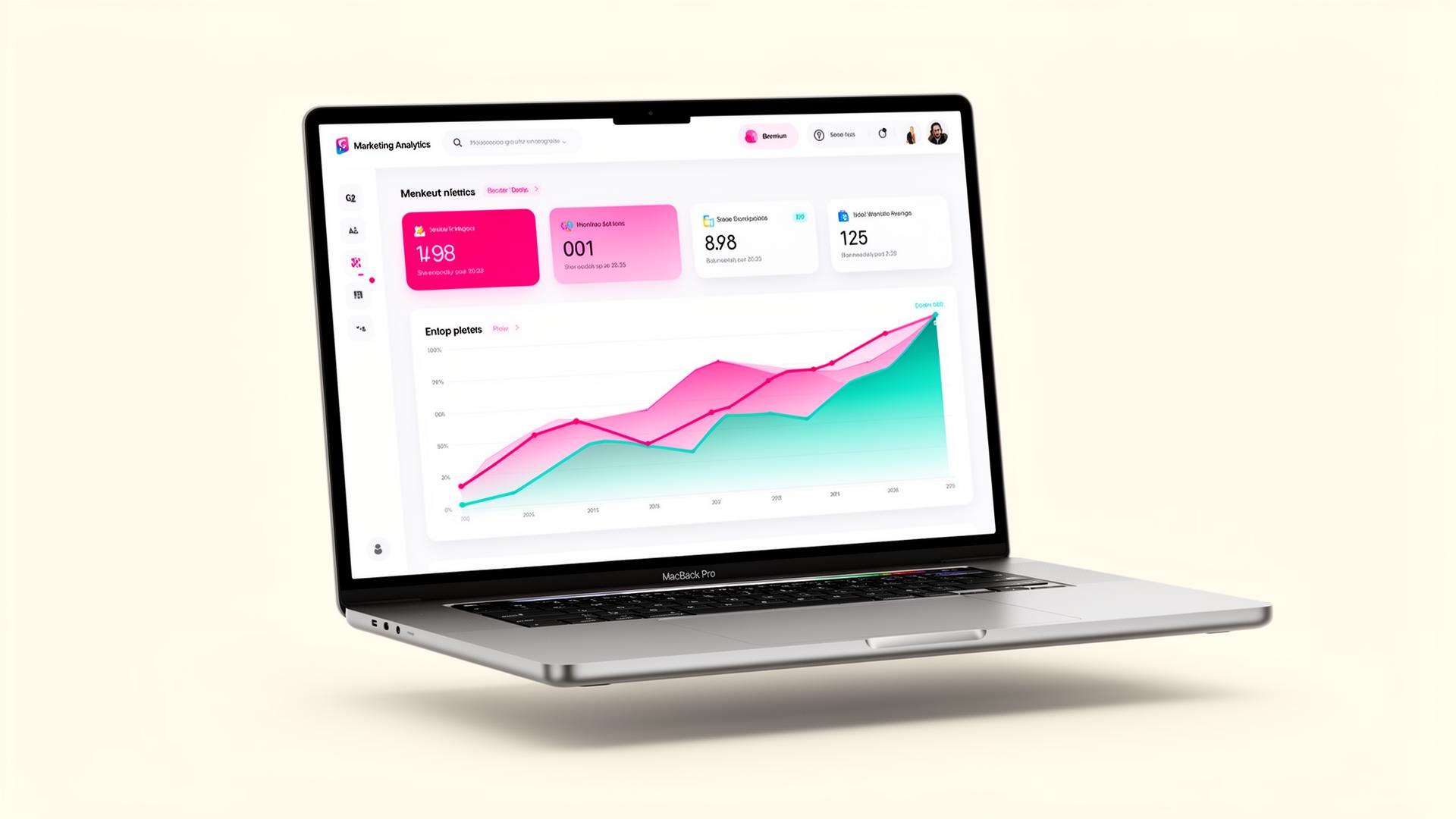
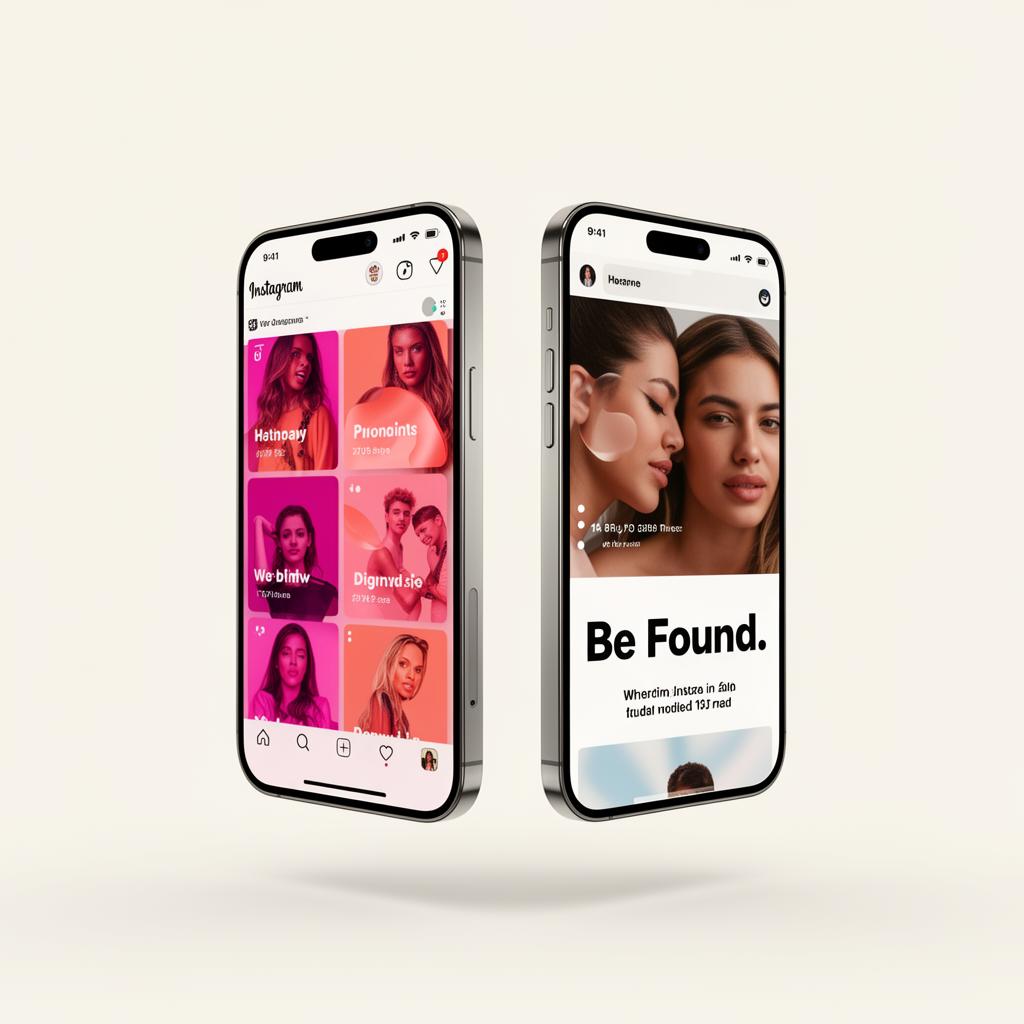
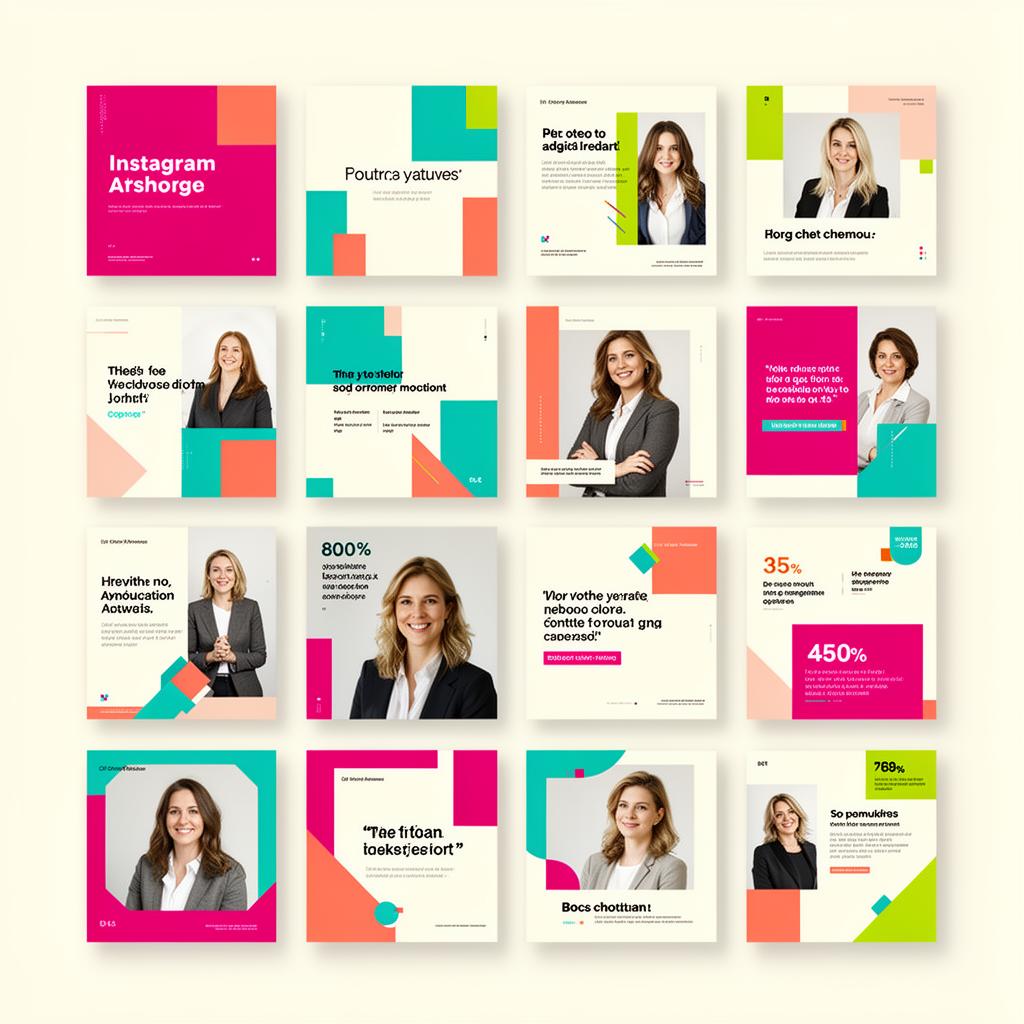
Website, mobile, social, AI search, and Google Business Profile, designed, built, and connected so every touchpoint compounds the others.
01, Desktop
Conversion-built websites
02, Mobile
Thumb-first, always.
03, Social
Branded content systems
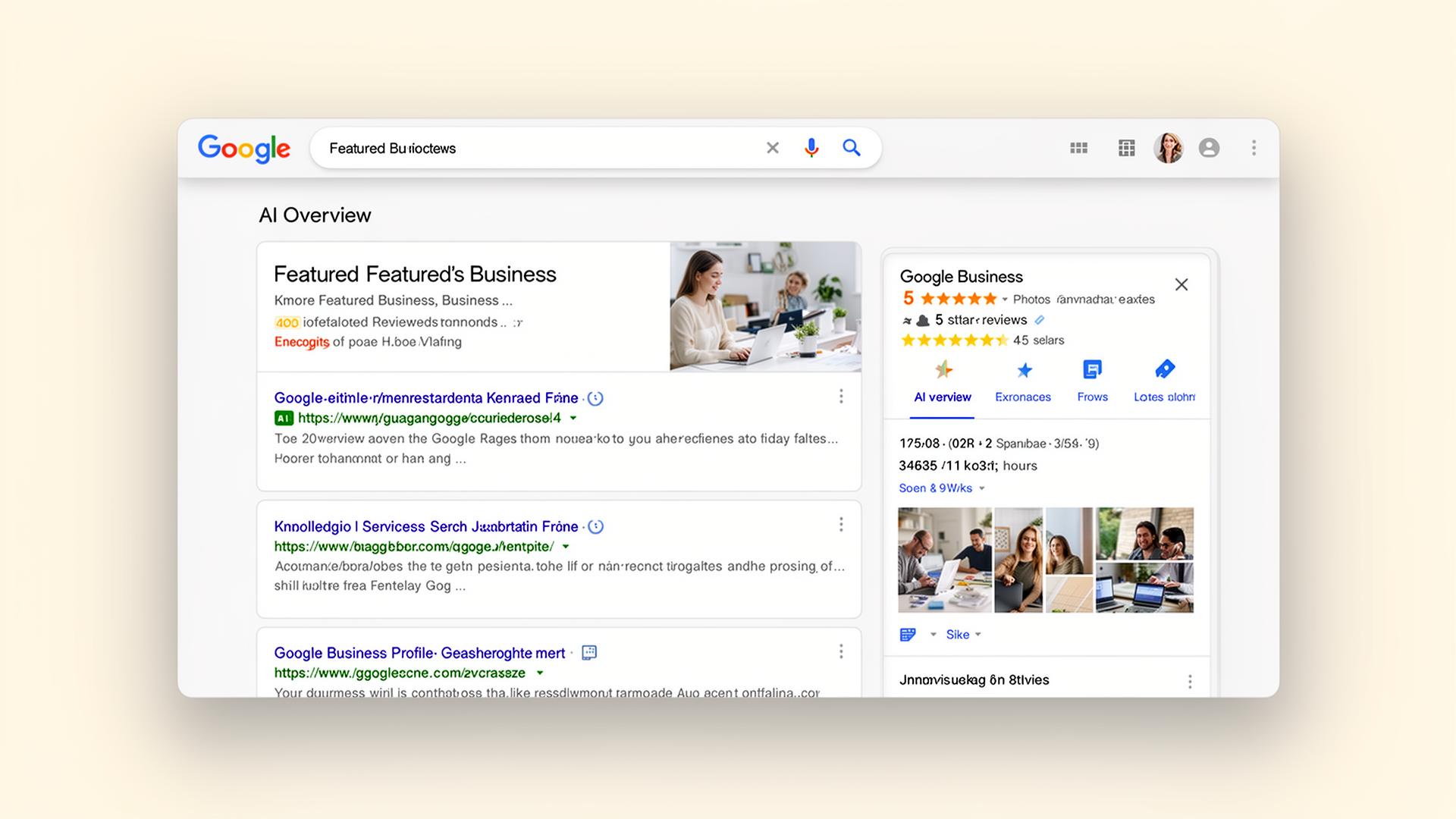
04, AI Search + GBP
Cited by the answer engines
From zero to 30,000
page views in 12 months.
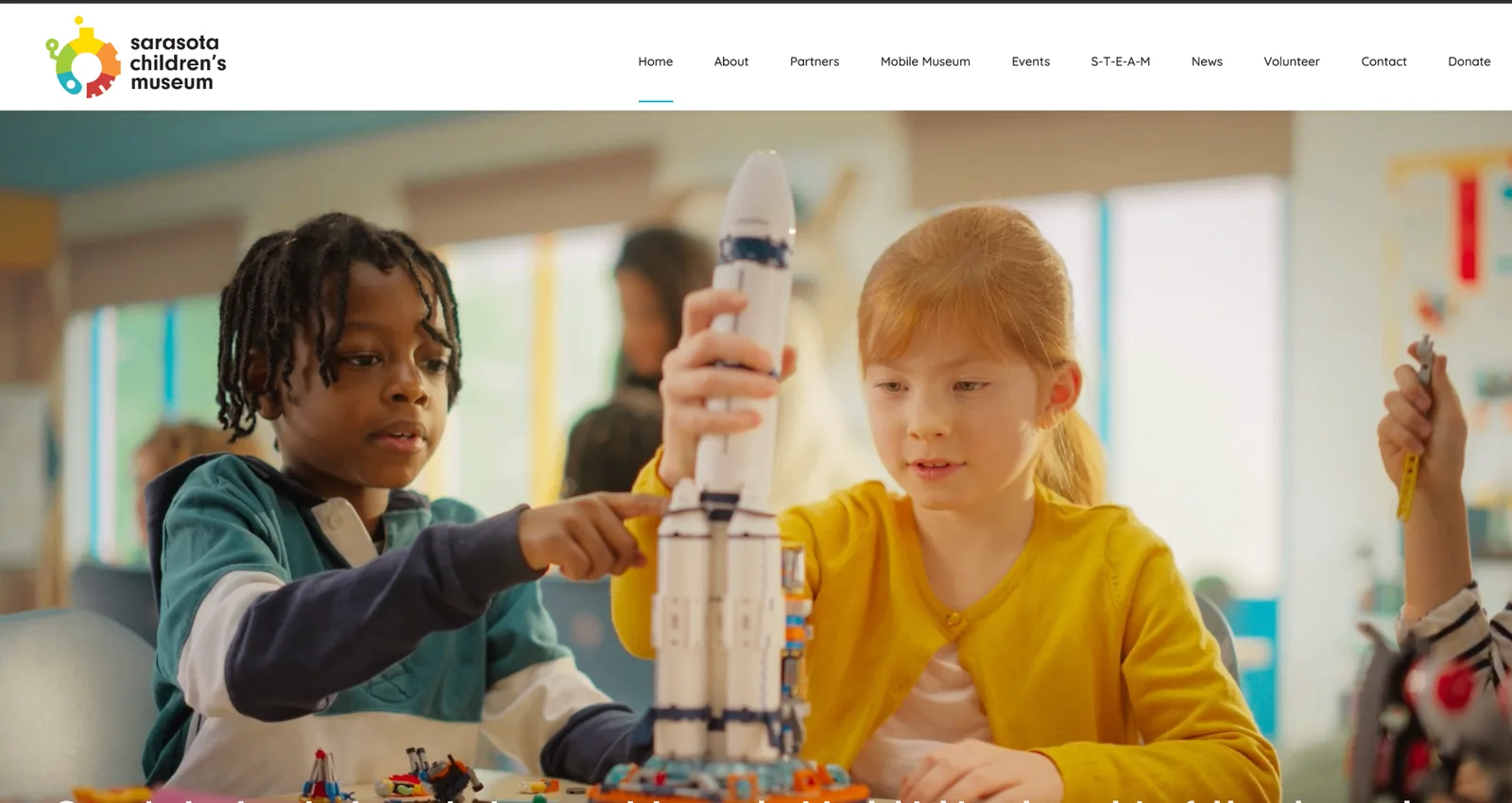
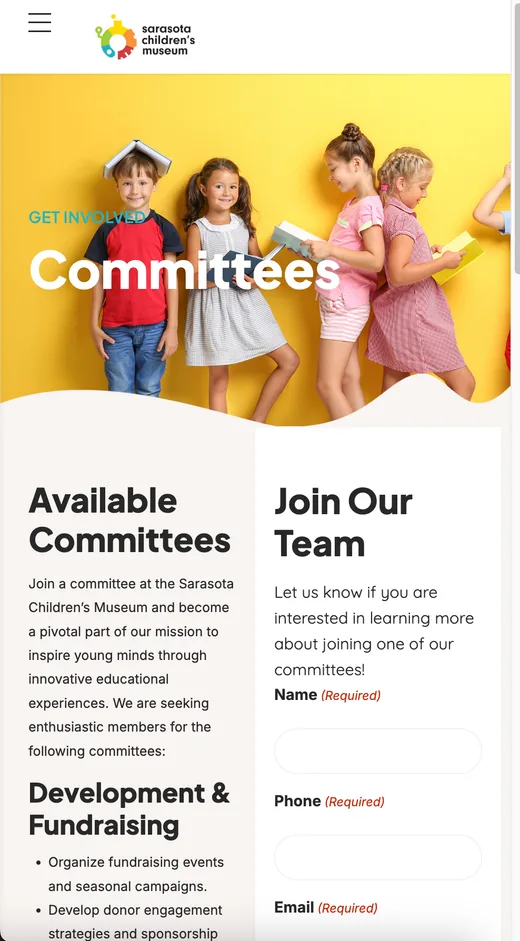
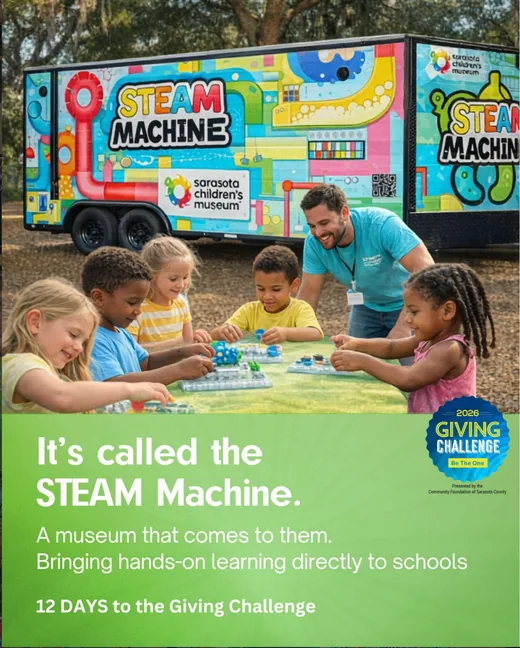
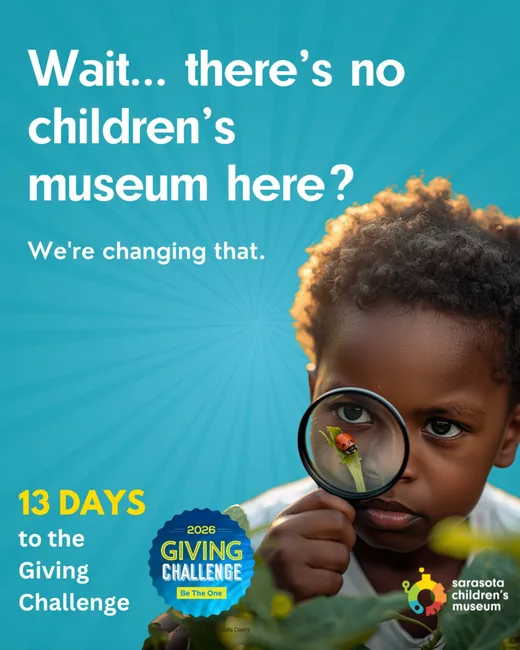
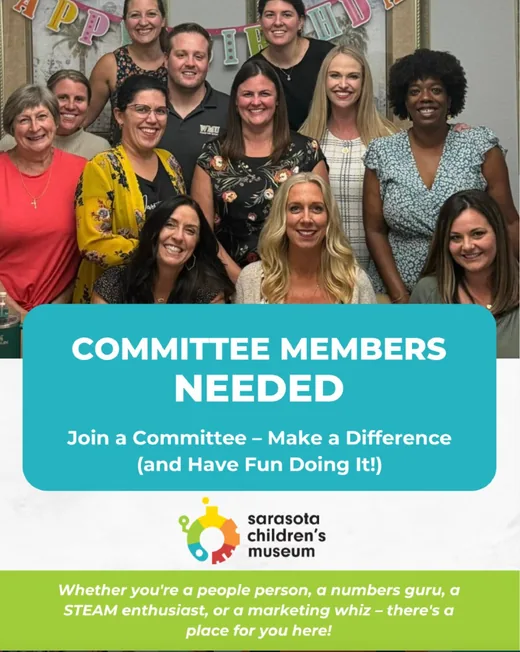
No physical location. No paid ads. No head start. Just a single connected system where every channel reinforced the others.
Featured Case Study
Sarasota Children's Museum
Website Page Views
Social Media Reach
Search Impressions
Email List Growth
No storefront. No foot traffic. No head start. Just a connected digital strategy where SEO fed the website, social built trust, GBP drove calls, and email nurtured the community. Every channel part of one system, and the numbers compounded month over month.
"We don't just talk tech,
we build it."
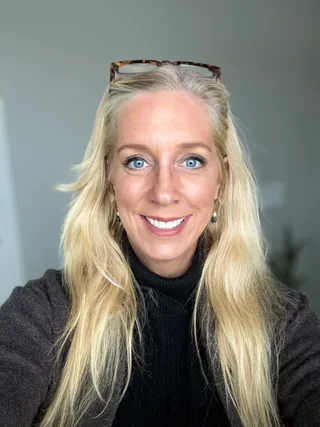
Kara Noreika
Founder, Woman In Tech
13
Years in business
100s+
Businesses found
100%
In-house work
Built by a woman in tech who has been
doing this for over 20 years.
Woman In Tech is led by Kara Noreika, a technical strategist and founder who has spent more than two decades building websites, digital systems, SEO strategies, and practical tools for growing businesses. You are not handed off to a mystery team. You get clear strategy, smart execution, and honest guidance from someone who understands both the tech and the business side.
Meet Kara Noreika, founder of Woman In TechTechnical Founder
Strategy, architecture & execution, in-house
Schema Architect
Answer-engine ready by default
Automation-First
n8n, Supabase & AI integrations built in
13 Years · Hundreds Found
Track record across industries
Latest insights from the lab.
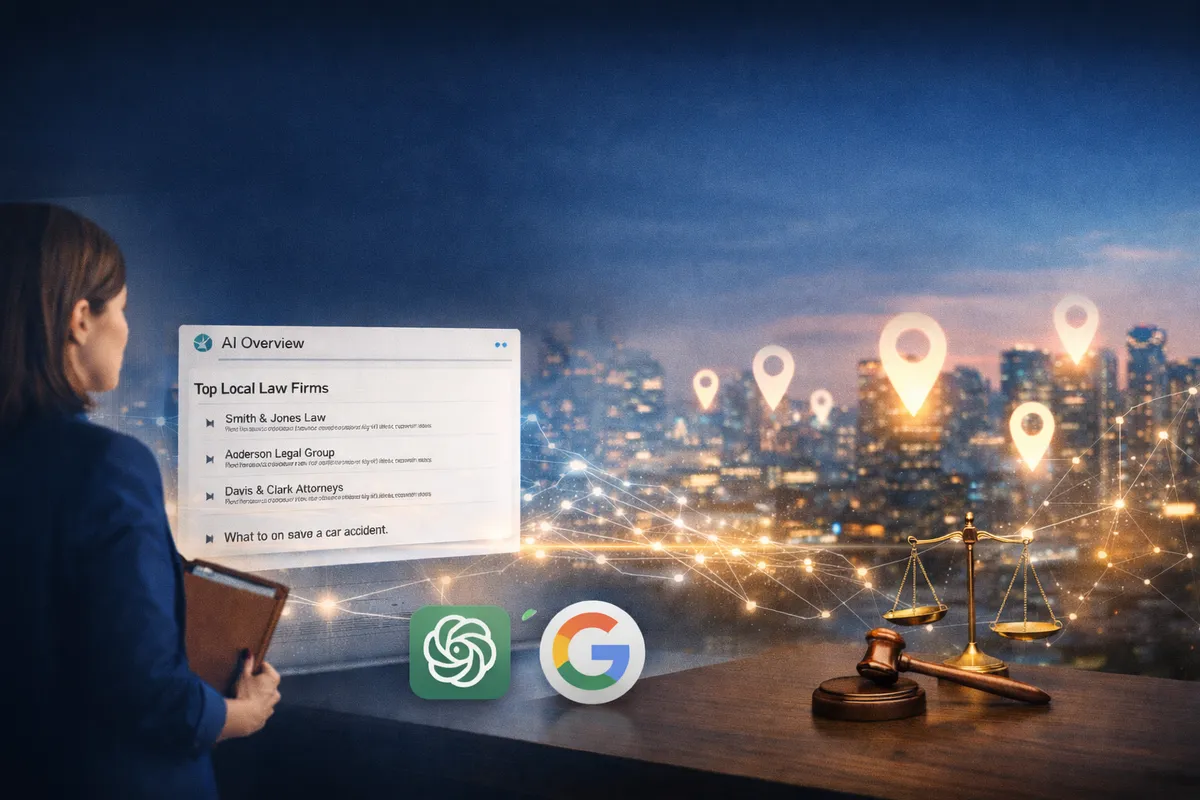
Why Law Firms Need a Complete Digital System to Stay Visible in AI Search.
Read article →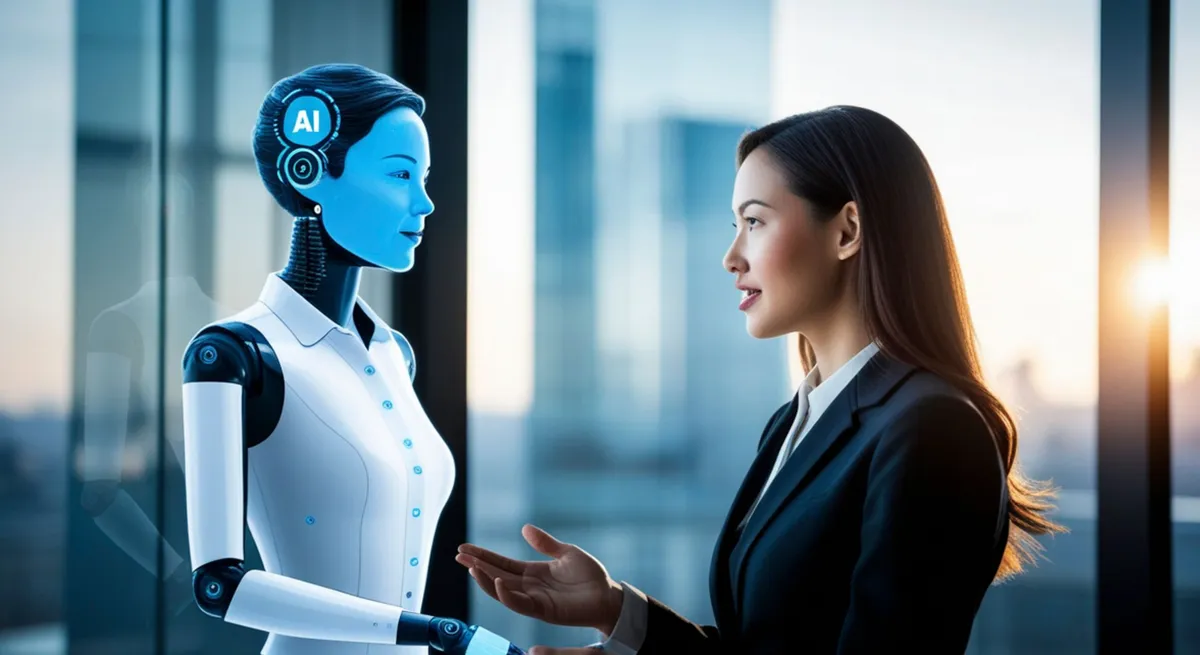
Beyond the Search Bar: 5 Ways Law Firms Must Pivot for the AI Search Revolution
Read article →
Clicks Are Down. AI Answers Are Up. Are You Ready for GEO?
Read article →Frequently asked questions
What does Woman In Tech do?
Woman In Tech helps small businesses improve online visibility through website design, SEO, GEO, Google Business Profile optimization, social media, AI tools, automations, and digital strategy.
What is GEO?
GEO stands for Generative Engine Optimization. It is the process of making your website and content easier for AI-powered search tools like ChatGPT, Perplexity, and Google AI Overviews to understand, trust, and cite.
How is GEO different from SEO?
SEO helps your business appear in traditional search results. GEO helps your business show up in AI-generated answers. The best strategy uses both because customers are searching in more places than ever.
Who does Woman In Tech work with?
Woman In Tech works with small to mid-sized businesses, attorneys, service-based professionals, medical practices, nonprofits, women-led teams, and entrepreneurs who want a clearer, more effective digital presence.
What is the Be Found Framework?
The Be Found Framework is Woman In Tech's connected approach to visibility. It brings together SEO, GEO, website strategy, Google Business Profile, social media, automation, and content so businesses can be found, trusted, and chosen.
Where is Woman In Tech located?
Woman In Tech is based in Sarasota, Florida and works with businesses locally and nationally.
Let's get you found.
And keep you there.
We'll show you exactly where ChatGPT, Perplexity, and Google's AI Overviews are sending your prospects, and how to redirect that traffic to you.